

Anxiety can affect nearly every aspect of daily life, making it difficult to focus, relax, or fully enjoy everyday experiences. While occasional stress is a normal part of life, ongoing anxiety can impact both mental and physical health if left unaddressed. Fortunately, there are many strategies that can help reduce anxious feelings and promote a greater sense of calm. Finding the right approach often involves a combination of healthy habits, emotional awareness, and practical coping techniques. Small changes made consistently can have a meaningful impact over time. By taking proactive steps, many people are able to improve their well-being and feel more in control of their emotions. Building a calmer mindset starts with understanding what works best for you.
Practice Deep Breathing Techniques
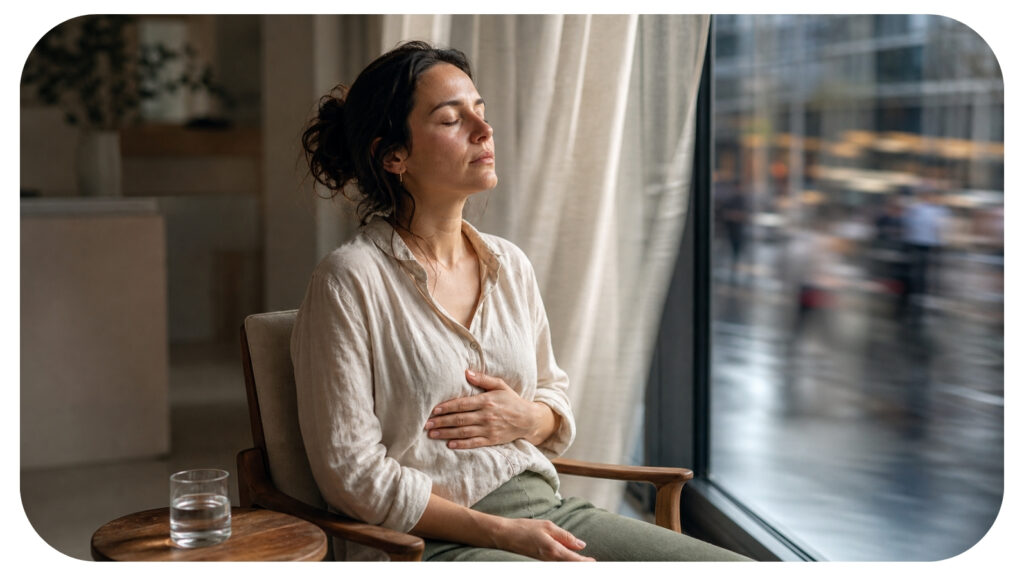
One of the simplest ways to reduce anxiety is through controlled breathing exercises. Anxiety often causes the body to enter a heightened state of alertness, leading to rapid breathing and physical tension. Deep breathing encourages relaxation by helping slow the heart rate and calm the nervous system. Taking slow, intentional breaths can create a sense of stability during stressful moments. Many people find breathing exercises helpful during periods of intense worry or emotional overwhelm. Consistent practice can make these techniques even more effective over time. Breathing exercises are easy to incorporate into daily routines.
Stay Physically Active
Regular physical activity can have a powerful impact on both physical and mental health. Exercise helps release natural chemicals that support mood and reduce feelings of stress. Activities such as walking, jogging, yoga, swimming, or cycling can provide valuable outlets for nervous energy. Physical movement also helps improve sleep quality and increase overall resilience. The goal is not perfection but consistency. Even moderate activity performed regularly can contribute to a greater sense of calm. Movement supports both mind and body.
Create Healthy Daily Routines
Structure and predictability can be comforting during periods of anxiety. Establishing consistent routines helps reduce uncertainty and create a greater sense of control. This may include maintaining regular sleep schedules, planning meals, setting aside time for relaxation, and organizing daily responsibilities. Healthy routines often make stressful situations feel more manageable. Consistency provides stability during challenging periods. Small routines can create significant long-term benefits. Structure supports emotional balance.
Limit Sources Of Unnecessary Stress
Not all stress can be avoided, but some sources can be reduced. Constant exposure to negative news, excessive social media use, or unhealthy relationships may contribute to feelings of anxiety. Identifying and limiting these influences can create a healthier environment. Setting boundaries around stressful situations helps preserve emotional energy. Creating space for positive experiences is equally important. Reducing unnecessary stress allows more room for calm and recovery. Thoughtful boundaries often improve overall well-being.
Focus On Quality Sleep
Sleep and anxiety are closely connected. Insufficient rest can increase stress levels, while anxiety itself can make sleep more difficult. Developing healthy sleep habits may help improve both emotional and physical health. Creating a consistent bedtime routine, limiting screen time before bed, and maintaining a comfortable sleep environment can support better rest. Quality sleep helps the brain and body recover from daily challenges. Improved rest often contributes to a calmer mindset. Prioritizing sleep is one of the most effective wellness strategies available.
Practice Mindfulness And Meditation
Mindfulness encourages individuals to focus on the present moment rather than worrying about future uncertainties. Meditation, guided relaxation exercises, and mindfulness practices can help reduce racing thoughts and promote relaxation. Many people find these techniques useful because they encourage greater awareness without judgment. Regular practice can strengthen emotional resilience and improve stress management. Even a few minutes per day may provide noticeable benefits. Mindfulness helps interrupt patterns of anxiety and overthinking. Consistency often leads to greater results.
Build A Strong Support System
Supportive relationships can make a significant difference when dealing with anxiety. Talking with trusted friends, family members, or support groups provides opportunities to share concerns and gain perspective. Feeling understood and supported often reduces feelings of isolation. Healthy relationships create a sense of connection and belonging that can be comforting during difficult times. Building a reliable support network takes time, but the benefits are often substantial. Emotional support can strengthen resilience and improve coping abilities.
Explore Wellness Options Carefully
Some individuals research a variety of wellness products while looking for ways to support relaxation and stress management. Depending on local regulations and personal circumstances, products such as THCA concentrate may be discussed within broader wellness conversations. Any product consideration should be approached carefully and discussed with a qualified healthcare professional when appropriate. Individual needs and responses vary significantly. Professional guidance helps ensure informed and responsible decision-making. Safety should always remain a priority.
Challenge Negative Thinking Patterns
Anxiety often thrives on negative assumptions and worst-case scenarios. Learning to question these thoughts can help reduce their impact. When anxious thoughts arise, it can be helpful to evaluate whether they are supported by evidence or driven by fear. Reframing situations in a more balanced and realistic way often reduces emotional intensity. Over time, this practice can strengthen confidence and improve emotional regulation. Changing thought patterns requires patience and repetition. Small mindset shifts can create meaningful improvements.
Conclusion
Reducing anxiety and feeling calmer involves a combination of healthy habits, emotional awareness, and consistent self-care. Deep breathing, exercise, quality sleep, mindfulness, supportive relationships, and stress management techniques can all contribute to improved well-being. While anxiety may not disappear overnight, gradual and intentional changes often produce lasting results. By focusing on practical strategies and seeking support when needed, individuals can build greater resilience and enjoy a stronger sense of calm in their daily lives.




Leave a Reply