

Introduction


When we face injury or other health challenges, our first instinct is often to focus on treating immediate symptoms. However, many traditional methods can overlook the deeper, interconnected nature of our well-being. True, lasting recovery demands a more complete approach.
We believe in addressing the whole person. Holistic health and recovery mean recognizing the profound links between our mind, body, and spirit. It’s about diving into the root causes, not just the outward signs. This comprehensive perspective supports healing at every level.
In this guide, we will explore various approaches to holistic health and injury recovery. We will examine how these diverse methods integrate to foster comprehensive healing. From physical rehabilitation to mental resilience and spiritual balance, we will cover key principles. We will also discuss how advanced therapies, such as specialized functional-medicine care, can support cellular repair and deeper recovery. Our goal is to provide a clear roadmap for your journey toward complete and sustainable wellness.
Core Principles of Holistic Health and Recovery
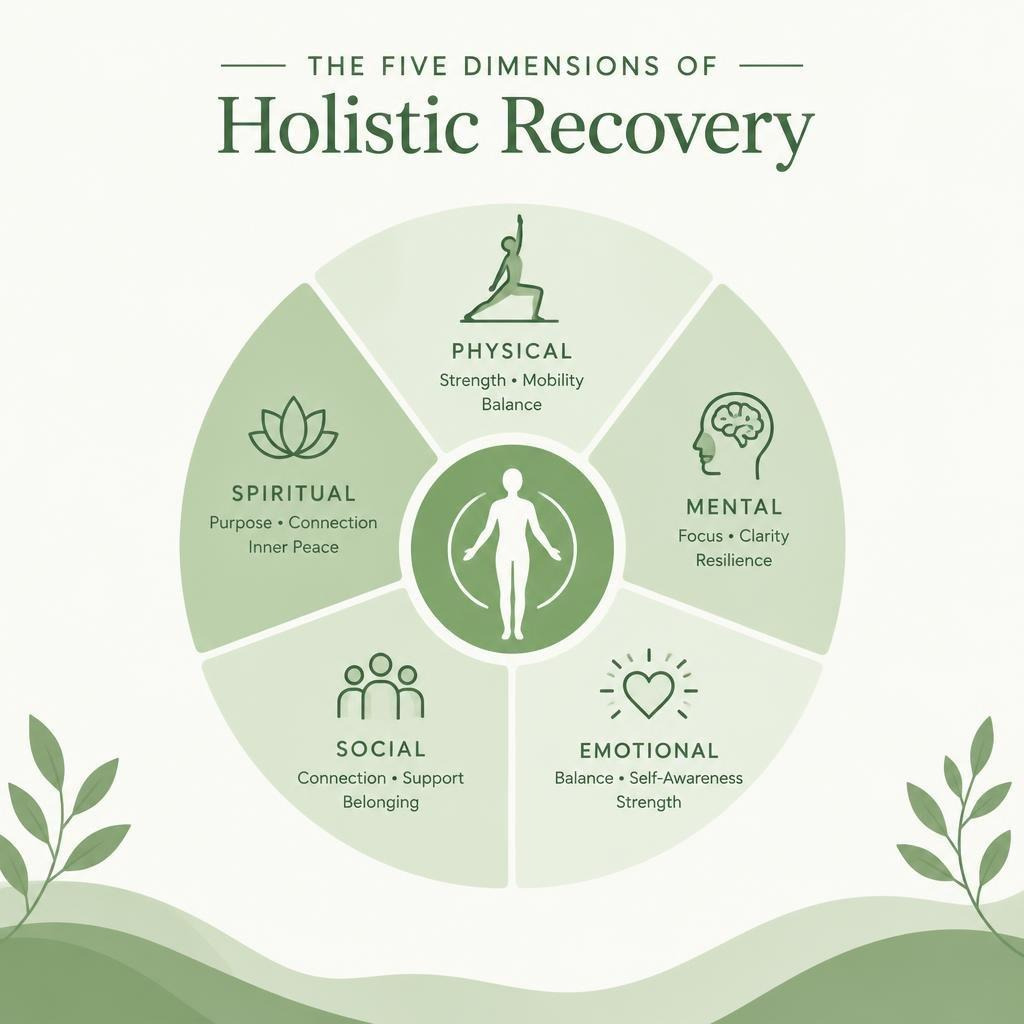
At the heart of holistic health and recovery lies a whole-person framework, acknowledging that no single aspect of our being operates in isolation. Recovery is not merely the absence of symptoms but a state of thriving across multiple dimensions. This framework emphasizes emotional resilience, the capacity to navigate life’s challenges with grace and strength, alongside physical vitality, which encompasses not just strength and mobility but also internal systemic balance. Spiritual balance provides a sense of purpose and connection, while environmental factors recognize the profound impact of our surroundings on our well-being. Crucially, social connection fosters a supportive network, reducing isolation, and cognitive clarity ensures optimal mental function and decision-making. By considering these interconnected elements, we move beyond superficial fixes to cultivate deep, sustainable healing.
The Multi-Dimensional Wheel of Wellness
To truly embrace a holistic approach, we often utilize models like the multi-dimensional wheel of wellness, which breaks down health into several core areas. This framework typically encompasses eight wellness dimensions: spirituality, sleep, career, nutrition, mood, finances, connection, and movement. Each spoke of this wheel represents a vital aspect of our lives, and an imbalance in one can profoundly affect the others. For instance, poor sleep hygiene can impair cognitive function and mood, while financial stress can manifest as physical tension or anxiety.
The goal is to achieve baseline stability across all these areas, ensuring that foundational needs are met before tackling more complex issues. A comprehensive lifestyle assessment helps individuals identify hidden gaps and areas of imbalance. For example, while focusing on physical rehabilitation for an injury, it’s equally important to assess sleep patterns, stress management techniques, and nutritional intake. Developing habitual balance in these areas, rather than sporadic efforts, creates a robust foundation for long-term recovery and overall well-being. This integrated perspective allows us to see how daily choices in one area can ripple through the entire system, either supporting or hindering the healing process.
Integrating Mind and Body in Holistic Health and Recovery
The intricate connection between the mind and body is a cornerstone of holistic recovery. Our nervous system, particularly the vagus nerve, plays a pivotal role in regulating physiological responses to stress and promoting healing. Chronic stress can keep the body in a state of sympathetic dominance (“fight or flight”), hindering recovery and exacerbating pain. Holistic practices aim to cultivate parasympathetic regulation, shifting the body into a “rest and digest” state conducive to repair and regeneration.
This understanding is rooted in neurobiology, which reveals how thoughts, emotions, and experiences directly influence our cellular health and immune function. Developing somatic awareness—the ability to perceive and understand bodily sensations—is crucial for recognizing and releasing stored tension and trauma. Techniques that enhance emotional regulation, such as mindfulness and breathwork, directly impact the nervous system, reducing inflammation and promoting a sense of calm. By consciously engaging the mind to influence bodily states, we unlock powerful self-healing capabilities, making the mind-body connection an indispensable tool in any comprehensive recovery journey.
Physical Rehabilitation and Biomechanical Modalities
Physical rehabilitation in a holistic context extends beyond merely restoring function to an injured area. It involves a deep understanding of biomechanics—how our body moves and interacts with its environment—to correct underlying imbalances that may have contributed to the injury or hinder recovery. The focus is not just on symptom relief but on promoting tissue regeneration and restoring optimal movement patterns. This approach acknowledges that chronic pain often has a complex interplay with the nervous system, and addressing both physical and neurological components is essential for lasting relief. By integrating various physical modalities, we aim to rebuild strength, flexibility, and coordination while simultaneously calming the nervous system and fostering a sense of bodily integrity.

Acupuncture and Targeted Bodywork
Acupuncture, an ancient practice, involves the insertion of thin needles into specific points on the body to stimulate energy flow and promote natural healing. While research on its exact mechanisms is ongoing, many individuals report significant pain relief and improved well-being. Similarly, acupressure applies pressure to these same points without needles.
Beyond these, various forms of targeted bodywork play a crucial role in holistic physical recovery. Myofascial release techniques focus on alleviating tension and restrictions in the fascia, the connective tissue that surrounds muscles and organs. Craniosacral therapy, a gentle, hands-on method, addresses imbalances in the craniosacral system, which includes the membranes and cerebrospinal fluid surrounding the brain and spinal cord, often used to reduce stress and pain. Therapeutic massage, in its many forms, not only enhances circulation and reduces muscle tension but also has profound effects on mental health, alleviating symptoms of anxiety and depression. These modalities, when integrated into a comprehensive plan, can provide significant relief and support the body’s innate healing processes, offering a pathway to managing discomfort and promoting overall physical harmony. For those seeking advanced methods for managing chronic conditions, exploring resources on integrated pain-relief can provide further insights into these complementary approaches.
Movement Therapy and Somatic Experiencing
Movement is medicine, and in holistic recovery, it’s approached with intention and awareness. Trauma-informed yoga, for example, combines physical postures, breathing exercises, and meditation in a way that respects the individual’s experience of trauma, helping to release tension stored in the body and regulate the nervous system. Practices like Tai Chi, with its slow, flowing movements, cultivate balance, flexibility, and mental calm, making it an excellent therapy for stress reduction and physical rehabilitation.
Corrective exercise focuses on identifying and addressing muscular imbalances and dysfunctional movement patterns, rebuilding strength and stability where it’s needed most. Dance movement therapy uses creative expression through movement to facilitate emotional processing, enhance body awareness, and improve social integration. Somatic experiencing, a body-oriented therapeutic approach, helps individuals process and release traumatic shock stored in the body, gently guiding them to complete self-protective responses that were interrupted during a traumatic event. By engaging the body in these conscious and therapeutic ways, we not only improve physical function but also foster nervous regulation, emotional release, and a deeper connection to our inner selves.
Biochemical Restorative Strategies and Cellular Healing
Beyond physical and emotional interventions, holistic recovery deeply considers the biochemical landscape of the body. Cellular repair is paramount, as injuries and chronic conditions often stem from or are exacerbated by cellular dysfunction. A key area of focus is the gut-brain axis, recognizing the profound bidirectional communication between the digestive system and the brain. Imbalances in gut health can contribute to chronic inflammation, which is a common denominator in many physical and mental health issues, including pain, depression, and anxiety.
Holistic strategies aim to optimize micronutrient balance, ensuring the body has the essential vitamins, minerals, and other compounds it needs for optimal function. Addressing oxidative stress, an imbalance between free radicals and antioxidants, is crucial for protecting cells from damage. The goal is metabolic recovery—restoring efficient energy production and waste elimination at the cellular level, supporting the body’s inherent capacity for healing and resilience.
Anti-Inflammatory Nutritional Psychiatry
Our diet plays a pivotal role in shaping our biochemical health and, consequently, our recovery trajectory. Anti-inflammatory nutritional psychiatry focuses on using whole foods and medicinal herbs to reduce systemic inflammation, which can impede healing and exacerbate mental health symptoms. By nourishing the body with nutrient-dense foods, we support neurotransmitter synthesis, essential for mood regulation, cognitive function, and pain perception.
A healthy gut microbiome, the community of trillions of microorganisms residing in our digestive tract, is critical for immune function, nutrient absorption, and even the production of certain neurotransmitters. Dietary stability, characterized by regular, balanced meals, helps regulate blood sugar levels, preventing energy crashes and mood swings. We emphasize a foundation of real, unprocessed foods that support overall well-being.
Key neuro-nutrient building blocks include:
- Omega-3 Fatty Acids: Found in fatty fish, flaxseeds, and walnuts, crucial for brain health and reducing inflammation.
- B Vitamins: Abundant in leafy greens, whole grains, and legumes, vital for energy production and neurotransmitter synthesis.
- Magnesium: Present in nuts, seeds, and dark chocolate, important for nerve function, muscle relaxation, and stress reduction.
- Zinc: Found in meat, legumes, and seeds, essential for immune function and brain health.
- Amino Acids: The building blocks of protein, obtained from various protein sources, necessary for neurotransmitter production.
- Antioxidants: Rich in colorful fruits and vegetables, combat oxidative stress and protect cells.
Advanced Cellular and Functional Protocols
In addition to foundational nutrition, advanced cellular and functional protocols can significantly accelerate recovery by targeting cellular health directly. These therapies aim to optimize mitochondrial health, the powerhouses of our cells, which are crucial for energy production and repair.
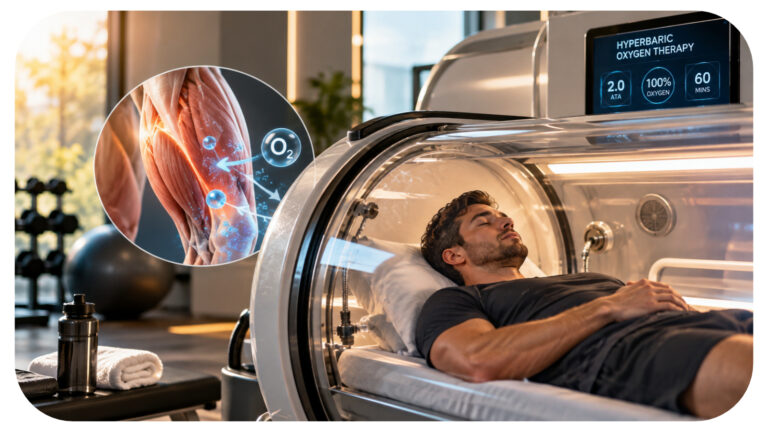
Hyperbaric oxygen therapy (HBOT) involves breathing pure oxygen in a pressurized chamber, significantly increasing oxygen delivery to tissues, promoting healing, reducing inflammation, and stimulating new blood vessel formation. Red light therapy, or photobiomodulation, uses specific wavelengths of red and near-infrared light to penetrate tissues, stimulating cellular regeneration, reducing pain, and improving circulation. These cutting-edge treatments, often integrated within a comprehensive approach to health, aim to enhance the body’s natural healing capabilities at a fundamental level. Cellular detox strategies, which focus on supporting the body’s natural detoxification pathways, can help eliminate toxins that hinder recovery. Restorative IVs deliver essential nutrients directly into the bloodstream, bypassing digestive issues and ensuring maximum absorption for cellular repair and replenishment.
Neuro-Emotional and Specialized Experiential Interventions
Emotional processing and sensory integration are critical components of holistic recovery, particularly when dealing with trauma or chronic conditions. Our emotional landscape directly influences our physical state, and unresolved emotional wounds can manifest as physical symptoms or impede healing. Experiential interventions provide unique pathways for trauma recovery and behavioral change, allowing individuals to engage in healing in ways that traditional talk therapy might not. These therapies often involve active participation and direct experience, fostering deeper insights and more profound shifts. By integrating these specialized approaches, we support individuals in processing difficult emotions, regulating their nervous systems, and developing healthier coping mechanisms, leading to more sustainable recovery and enhanced well-being.
Long-Term Trauma and Holistic Health and Recovery Protocols
For individuals grappling with long-term trauma, holistic recovery protocols offer a multi-faceted approach to healing. EMDR (Eye Movement Desensitization and Reprocessing) integration is a highly effective therapy that helps individuals process distressing memories and reduce their emotional impact. Combined with breathwork, which uses controlled breathing techniques to regulate the nervous system and release stored tension, it creates a powerful synergy for trauma resolution.
Somatic processing, which involves tuning into bodily sensations to release trauma, complements these approaches by addressing the physiological manifestations of past experiences. The ultimate goal is to foster nervous system regulation, moving individuals out of chronic fight, flight, or freeze responses. Cultivating constructive thoughts and positive emotions is also central, as these mental states directly influence our neurochemistry and promote resilience. This comprehensive strategy is vital for relapse prevention, equipping individuals with the tools to navigate triggers and maintain long-term well-being.
Creative Arts and Animal-Assisted Therapies
Creative arts and animal-assisted therapies offer unique and powerful avenues for emotional processing and healing, particularly for those who find verbal expression challenging. Art therapy utilizes creative expression through painting, drawing, sculpture, and other mediums to help individuals explore emotions, reduce stress, and gain self-awareness. It can be a nonverbal way to process difficult experiences and foster emotional safety.
Music therapy involves engaging with music in various ways—listening, singing, playing instruments, or composing—to address physical, emotional, cognitive, and social needs. It can improve mood, manage pain, and enhance communication. Dance and movement therapy uses physical movement to promote emotional, cognitive, and physical integration, offering benefits similar to exercise while also facilitating self-expression. Drama therapy employs theater techniques to encourage self-disclosure, storytelling, and problem-solving within a therapeutic context.
Animal-assisted therapies, such as equine-assisted therapy and canine interaction, leverage the human-animal bond to promote healing. Equine therapy, working with horses, can help individuals develop trust, improve communication skills, and regulate emotions, with studies showing benefits in reducing anxiety and PTSD symptoms. Canine interaction, or dog therapy, has been shown to lower blood pressure, reduce stress, and trigger endorphin release, alleviating pain, anxiety, and and depression. These therapies provide unique opportunities for nonverbal expression, build emotional safety, and foster profound connections that support the healing journey.
Structuring a Whole-Person Injury Rehabilitation Plan
Crafting a whole-person injury rehabilitation plan requires a highly individualized approach, recognizing that each person’s journey and needs are unique. It involves developing tailored, individualized protocols that integrate various therapeutic modalities. This necessitates multidisciplinary care, where a team of professionals—including physical therapists, nutritionists, mental health experts, and complementary therapists—collaborates to address all aspects of recovery.
A thorough clinical assessment forms the foundation, identifying not only the physical injury but also any underlying emotional, biochemical, or lifestyle factors that may be contributing to the issue. Therapeutic monitoring is ongoing, allowing the team to track progress, make necessary adjustments, and ensure the plan remains effective and responsive to the individual’s evolving needs. The ultimate goal is to achieve long-term sustainability, equipping individuals with the tools and strategies to maintain their health and prevent future injuries, fostering a resilient and balanced life.
Assessing Clinical Needs vs Alternative Therapies
When structuring a recovery plan, it’s essential to carefully assess clinical needs and understand how alternative therapies complement conventional approaches. We view this not as an either/or proposition but as an integrative strategy, where each modality plays a supportive role.
Here’s a comparison to illustrate the distinct yet complementary nature of these approaches:
Feature Conventional Symptom Models Integrative Recovery Approaches Primary Focus Symptom suppression, disease management Root cause identification, whole-person healing, wellness optimization Assessment Diagnostic tests (e.g., X-rays, blood work), symptom checklists Comprehensive lifestyle assessment, functional testing, emotional and spiritual well-being evaluation Treatment Modalities Medication, surgery, standard physical therapy Nutrition, mind-body practices, targeted bodywork, energy therapies, creative arts, advanced protocols Goal Reduce symptoms, restore basic function Restore balance, enhance resilience, prevent recurrence, promote thriving Patient Role Passive recipient of care Active participant in self-healing, empowered decision-maker Time Horizon Short-term relief, episodic care Long-term sustainability, ongoing wellness journey Clinical diagnostics provide crucial information about the physical injury or condition, guiding evidence-based modalities like surgery or targeted physical therapy. However, integrative recovery approaches then layer on complementary therapies to address the broader context of the individual’s health. Treatment coordination ensures that all therapies work synergistically, avoiding conflicts and maximizing benefits. Safety screening is paramount for all interventions, ensuring that alternative therapies are appropriate for the individual’s condition and do not interfere with conventional treatments. This balanced perspective allows us to leverage the strengths of both approaches for comprehensive and effective recovery.
Sustaining Aftercare and Nervous System Regulation
The journey of recovery doesn’t end when formal treatment concludes; sustaining aftercare is crucial for long-term well-being. A robust aftercare plan integrates continued support and practices that reinforce the gains made during active treatment. This often includes engaging with peer networks, which provide invaluable emotional support, shared experience, and accountability. Fostering community connection helps combat isolation and reinforces a sense of belonging, both vital for mental and emotional health.
Outdoor immersion, such as wilderness therapy or simply spending regular time in nature, has been shown to significantly reduce stress and improve mood, contributing to nervous system regulation. Daily mindfulness practices, like meditation or conscious breathing, help individuals stay present, manage stress, and maintain emotional balance. Aftercare is about establishing a sustainable lifestyle maintenance plan that incorporates healthy habits, ongoing self-care, and strategies for navigating life’s inevitable challenges, ensuring that the recovery achieved is not just temporary but a lasting transformation.
Frequently Asked Questions About Holistic Recovery
How does a holistic approach accelerate injury and addiction recovery?
A holistic approach accelerates recovery by addressing the individual as a whole, rather than focusing solely on isolated symptoms. This multidisciplinary care tackles root causes—be they physical, emotional, or environmental—leading to more profound and lasting healing. By integrating biological repair strategies, such as nutritional support and advanced cellular therapies, alongside nervous regulation techniques like mindfulness and somatic practices, the body’s innate healing mechanisms are optimized. This comprehensive strategy not only speeds up physical recovery from injury but also provides robust tools for managing cravings, processing trauma, and preventing relapse in addiction recovery, fostering a sustainable return to health.
What is the scientific evidence supporting mind-body modalities?
The scientific evidence supporting mind-body modalities is growing rapidly, with increasing research into their neurobiological effects. Clinical trials have demonstrated the effectiveness of practices like meditation, yoga, and acupuncture in reducing chronic pain, anxiety, and depression. Neuroimaging studies show how these practices can alter brain structures and functions, enhancing areas related to emotional regulation and cognitive control. Research on vagal tone, a measure of vagus nerve activity, indicates that mind-body practices can improve its function, leading to better stress resilience and reduced inflammation. Furthermore, studies consistently show reductions in cortisol levels, the primary stress hormone, among individuals regularly practicing mindfulness and other mind-body techniques, highlighting their physiological impact on stress management and overall health.
How do functional therapies integrate with conventional rehabilitation?
Functional therapies integrate with conventional rehabilitation by providing a deeper, more personalized layer of care that addresses the underlying physiological and biochemical imbalances often missed by traditional approaches. While conventional orthopedic protocols focus on structural repair and physical therapy, functional therapies, such as advanced nutritional strategies and metabolic support, optimize the internal environment for healing. This collaborative care model ensures that medical oversight is maintained, while bio-individual plans are developed to support cellular health, reduce inflammation, and enhance energy production. For example, alongside standard physical therapy for a joint injury, functional therapies might include anti-inflammatory dietary changes, gut health protocols, or targeted nutrient IVs to accelerate tissue repair and reduce pain, leading to more comprehensive and resilient recovery outcomes.
Conclusion
In navigating the complexities of injury and health challenges, we’ve explored how a holistic approach offers a powerful pathway to comprehensive healing and sustainable wellness. By embracing the interconnectedness of mind, body, and spirit, we move beyond mere symptom management to address the root causes of imbalance. From physical rehabilitation and biochemical restorative strategies to neuro-emotional and specialized experiential interventions, each modality contributes to a synergistic healing process. This integrated perspective, supported by clinical assessment and ongoing monitoring, empowers individuals to take an active role in their recovery. Fostering mind-body balance and promoting clinical synergy not only accelerates healing but also cultivates a resilient foundation for long-term health, enabling a truly empowered and vibrant life.



Leave a Reply