

Key Takeaways
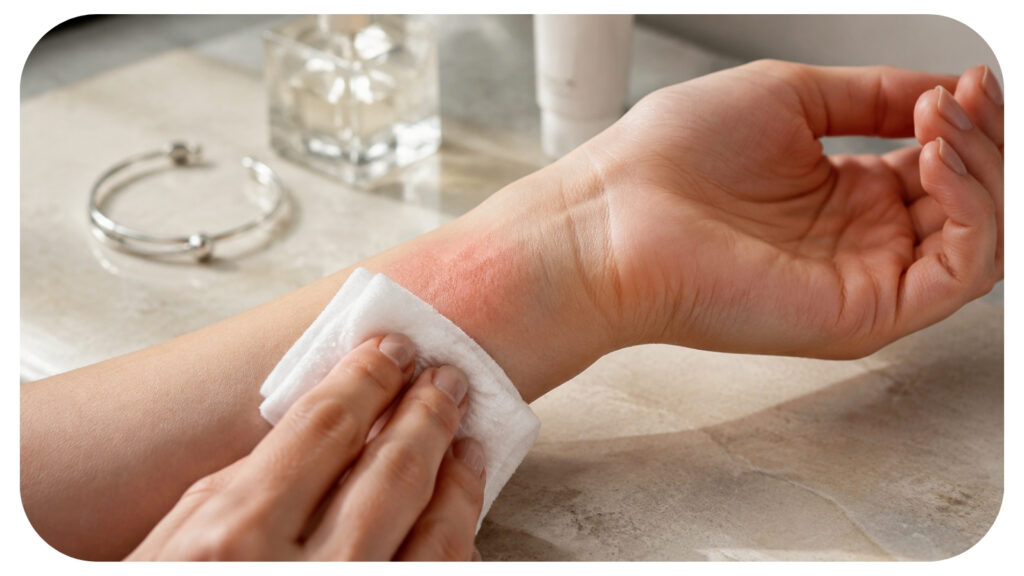
Contact dermatitis arises when the skin interacts with irritants or allergens, triggering inflammation and discomfort. To manage flare-ups effectively and speed up recovery, pinpointing specific triggers is essential.
Common hidden triggers often include fragrances in products, nickel found in jewelry, and various plants. By recognizing these irritants, individuals with sensitive skin can significantly enhance their daily lives.
Patch testing serves as a powerful tool to identify allergens, often revealing surprising sensitivities, which helps in devising personalized avoidance strategies. This can be a worthwhile investment in long-term skin health.
Topical treatments, including hydrocortisone cream and prescribed steroids, can effectively alleviate the symptoms associated with contact dermatitis. Prompt application is crucial for successful recovery.
Home remedies like cold compresses and oatmeal baths can serve as excellent complements to medical treatments, helping to soothe irritation. It’s important to find individual methods that provide the best comfort.
Long-term management entails establishing a gentle skincare routine featuring hypoallergenic products and consistent sun protection, both of which help reduce the risk of flare-ups.
If symptoms escalate, if itching interferes with daily activities, or if unusual lesions appear, seeking professional assistance is advisable. Early intervention often leads to quicker recovery.
Identifying the Triggers of Contact Dermatitis
Understanding the causes of contact dermatitis can make a significant difference for those affected. This condition occurs when the skin is exposed to irritants or allergens, resulting in inflammation and discomfort. Awareness is key; identifying what triggers a flare-up frequently leads to faster recovery and better long-term management.
Common Causes That Might Surprise You
While many associate contact dermatitis with obvious substances, a multitude of hidden irritants often exists. Everyday items, usually taken for granted, can cause significant issues for sensitive skin.
- Fragrances in cosmetics and cleaning agents can provoke unexpected reactions.
- Nickel in jewelry is well-known for causing irritation, even in minute amounts.
- Certain plants, beyond just poison ivy, can also trigger considerable responses.
- Household cleaners frequently contain harsh chemicals that may be problematic.
- Products marketed as hypoallergenic can still prompt reactions in sensitive individuals.
Enhancing awareness leads to better management. Recognizing these hidden irritants can significantly improve daily experiences for individuals with sensitive skin.
How Patch Testing Can Uncover Hidden Allergens
Patch testing offers an effective route to identifying allergens. Despite its utility, many remain unaware of the benefits it provides. This straightforward allergy test can discover hidden sensitivities that could otherwise be overlooked. The process involves applying small amounts of potential allergens to the skin—typically the back—and monitoring for reactions over a few days.
- Experts often recommend testing for common allergens such as dyes, fragrances, and preservatives.
- The results may reveal surprising sensitivities, allowing for personalized avoidance strategies.
- Investing in testing is wise; there’s no reason to endure unnecessary flare-ups.
Making informed decisions is invaluable. Knowing specific sensitivities aids in creating a routine that minimizes exposure.
Immediate Relief Techniques for Contact Dermatitis
When discomfort occurs, finding immediate relief becomes essential. Understanding how to effectively soothe the skin can truly make a difference. A variety of techniques exist, designed to combat symptoms quickly.
Topical Treatments That Dermatologists Recommend
- Hydrocortisone cream is useful for reducing inflammation and itching.
- For more severe reactions, topical steroids prescribed by dermatologists can greatly expedite recovery.
- Anti-itch creams, which typically contain ingredients like menthol, can rapidly relieve symptoms.
Utilizing these treatments without delay can help patients embark on the journey to healing. A proactive approach tends to yield the best outcomes.
Effective Home Remedies to Soothe Irritation
Home remedies can be excellent complementary options to medical treatments. Here are some reliable methods that can effectively ease discomfort.
- Applying cold compresses to the affected areas can significantly alleviate swelling and irritation.
- Oatmeal baths are another well-regarded remedy; they offer soothing and protective benefits for the skin.
- Using natural oils, like coconut oil, may also provide moisture and protection.
Ultimately, it’s about discovering what provides the most relief for each individual. Customized strategies for comfort can greatly enhance well-being.
Long-Term Management Strategies for Contact Dermatitis
Managing contact dermatitis extends beyond immediate relief. Long-term strategies are vital for maintaining skin health and preventing future flare-ups. Incorporating specific practices into daily routines enhances skin resilience.
Building a Skin Care Routine That Protects
Establishing a skincare routine tailored for sensitive skin is incredibly important. Professionals highlight the value of consistency and choosing the right products.
- Gentle cleansers help ensure that the skin barrier remains intact.
- Adding hypoallergenic moisturizers can create a protective shield against irritants.
- Regular use of sunscreen is essential to deter further irritation, particularly in sensitive skin types.
Adhering to a personalized routine nourishes the skin and decreases the likelihood of flare-ups. Consistency truly pays off here.
Educating Yourself on Allergen Avoidance
Knowledge really is power in the realm of skin health. Clients often see substantial improvements when they take the initiative to learn about allergens. Recognizing potential triggers is one thing, but mastering effective avoidance strategies is equally important.
- Maintaining a journal to track reactions to products can highlight specific triggers.
- Consulting with professionals, such as dermatologists or allergists, can offer crucial insights.
- Engaging in support groups or forums encourages community learning and shared experiences.
Successful avoidance requires diligence and education. This investment consistently yields benefits.
When to Seek Professional Help for Dermatitis
Knowing when to reach out to a professional can be crucial. Not every instance of dermatitis resolves independently. Being aware of the signs that indicate the need for expert intervention can change outcomes dramatically.
Signs That Indicate a Need for Expert Consultation
Patients should stay alert to their symptoms. Certain indicators suggest that professional assistance is warranted.
- If symptoms worsen, gaining insight from a dermatologist is crucial.
- Unrelenting itching that disrupts daily activities calls for immediate help.
- Unusual blisters or skin lesions necessitate a thorough examination by a professional.
Acting promptly when seeking assistance can result in quicker healing. No one should have to endure unnecessary suffering.
What to Expect During a Dermatology Visit
Being prepared for a dermatology appointment can help ease anxiety. Understanding what to expect demystifies the process.
- Initial evaluations typically involve a discussion of the patient’s medical history and notable triggers.
- Doctors often suggest specific tests, including patch tests, based on the symptoms presented.
- Patients should anticipate leaving with a comprehensive treatment plan tailored to their individual circumstances.
Armed with knowledge, patients can approach their dermatitis confidently, with expert guidance at hand.
Treating Contact Dermatitis involves a multifaceted approach that unites immediate relief, long-term strategies, and education. By identifying triggers, utilizing effective treatments, and seeking professional support when needed, individuals can enhance their skin health and overall quality of life.
FAQ
How can lifestyle changes impact contact dermatitis?
Adjustments in lifestyle can considerably influence the management of contact dermatitis. Stress-reducing practices, such as mindfulness or yoga, can enhance overall skin health. Regular exercise, a balanced diet, and proper hydration further bolster skin resilience.
Are there specific dietary changes that may help with skin health?
Dietary modifications can also play a role in skin conditions. Incorporating anti-inflammatory foods, such as fatty fish, nuts, and leafy greens, may aid in skin healing. Avoiding processed foods and excess sugar often results in clearer and healthier skin.
How frequently should individuals with contact dermatitis consult a dermatologist?
How often one visits a dermatologist varies depending on personal needs and symptom severity. Generally, clients may see their dermatologist for routine evaluations every six months. Those facing increased flare-ups or complications may require more frequent check-ups to adjust their treatment plans.
What role does stress play in triggering contact dermatitis?
Stress can indeed act as a major trigger for contact dermatitis. The release of stress hormones can worsen skin reactions, leading to heightened inflammation and discomfort. Implementing stress management techniques is essential for individuals striving to minimize flare-ups.
Can environmental factors contribute to flare-ups of contact dermatitis?
Environmental influences undoubtedly impact the severity of contact dermatitis. Variations in seasons, humidity levels, and exposure to pollutants may elevate sensitivity. Exercising caution during extreme weather or in polluted environments can help minimize the risk of irritation.
Are there alternative therapies for managing contact dermatitis?
Alternative therapies can also deliver significant relief. Approaches such as acupuncture, herbal remedies, and essential oils might assist in managing symptoms for particular individuals. However, consulting with a healthcare professional before attempting new therapies is advisable to ensure safety and efficacy.
How can moisturizers improve long-term skin health?
Moisturizers play a critical role in sustaining skin health over time. They help to restore the skin barrier, preventing moisture loss and reducing susceptibility to irritants. Selecting suitable, hypoallergenic moisturizers can greatly enhance the skin’s resilience and comfort.
What should people avoid during a flare-up of contact dermatitis?
During a flare-up, it’s advisable to avoid known irritants and allergens. This encompasses harsh soaps, scented products, and excessive sun exposure. Also, refraining from scratching affected areas is crucial in order to prevent exacerbating symptoms and potential infection.



Leave a Reply