


What Matters Most
- The movement may be the problem. A pillow supports you at rest but may not prevent pain when turning.
- Small adjustments can help. Supporting your legs and turning gently may make movement more comfortable.
- Persistent pain deserves attention. Pelvic girdle pain is one possible cause, and professional assessment can help identify what's happening.
You bought the pregnancy pillow because you wanted to sleep comfortably again. It promised support for your growing bump, your back, and the hips that seem to ache more with every passing week. And perhaps it helped. Until you tried turning over at three in the morning.
Suddenly, something as ordinary as switching sides requires careful planning. You shift your hips, move one leg, and feel an uncomfortable pull across your pelvis or lower back. By the time you settle, you’re wide awake.
Pregnancy changes how your body moves, but persistent pain during simple movements isn’t necessarily something you have to accept. Sometimes, the discomfort comes from more than an unsuitable sleeping position.
The Problem May Be the Movement, Not the Mattress
A pregnancy pillow can help support your body while you’re resting. What it cannot necessarily do is prevent the discomfort that occurs when your body moves from one position to another. That distinction matters, particularly when the pain happens during turning, standing, or transferring your weight between your legs.
Your Back and Pelvis Are Adapting to Pregnancy
As pregnancy progresses, your body accommodates a growing baby, changing weight distribution, and increasing physical demands. Your abdominal muscles, back, hips, and pelvis all contribute to maintaining balance and supporting movement.
Activities that once felt effortless may begin to require more effort or produce discomfort. Pregnancy-related changes can also make tissues around the pelvic region more sensitive to certain movements and loads.
This doesn’t necessarily mean your pelvis is unstable or that something has moved out of alignment. Pain can occur even when the pelvic structures remain strong and intact. Understanding that difference can help prevent unnecessary anxiety about everyday movement.
Why Rolling Over Can Trigger Pain
Turning over involves more than changing the direction you’re facing. Your trunk rotates, your hips shift, and your legs move while your muscles work together to control the movement. Depending on how you turn, one side of your pelvis may experience a different load from the other.
If the surrounding tissues are already sensitive, that movement can become uncomfortable. For some pregnant people, the pain appears at the front of the pelvis. Others feel it near the lower back, buttocks, or hips.
The Royal College of Obstetricians and Gynaecologists (RCOG) identifies difficulty turning over in bed as a common symptom of pregnancy-related pelvic girdle pain. That doesn’t mean everyone who struggles to turn over has the condition. It means the symptom deserves attention when it becomes persistent or begins interfering with daily life.
Is It Pregnancy Back Pain or Pelvic Girdle Pain?
Many people describe discomfort below the waist during pregnancy as back pain. However, the location of the discomfort doesn’t always explain where it originates. One condition worth understanding is pregnancy-related pelvic girdle pain, often shortened to PGP.
The Pain Isn’t Always Where You Expect It
PGP describes pain involving the pelvic region, including the joints and surrounding structures at the front or back of the pelvis. According to RCOG guidance on pelvic girdle pain, approximately one in five pregnant women experience the condition.
Symptoms can include discomfort around the pubic bone, groin, hips, lower back, buttocks, or thighs. What makes PGP particularly frustrating is how ordinary movements can provoke symptoms. You might walk comfortably for a short distance but struggle when climbing stairs.
Getting dressed while standing on one leg may hurt, while sitting down feels manageable. Moving your legs apart to get out of a car can trigger pain that wasn’t noticeable moments earlier. These patterns can provide useful clues, although they cannot establish a diagnosis on their own.
Why Identifying the Cause Matters
Pregnancy-related back pain and PGP can overlap, and neither should automatically be assumed to explain every painful movement. Muscular discomfort, nerve irritation, hip conditions, and other medical concerns can produce symptoms in nearby areas.
A healthcare professional can assess where the pain occurs, what movements provoke it, how it affects daily activities, and whether further investigation is necessary. The aim isn’t simply to give the discomfort a label. It’s to understand which approaches are appropriate for your particular symptoms.
The Pregnancy Pillow Can Still Help, but Positioning Matters
Before buying another pillow or replacing your mattress, consider whether your current setup provides support where you need it. There’s no single arrangement that eliminates pregnancy discomfort for everyone.
Supporting Your Bump, Hips, and Legs
Side sleeping is commonly recommended during later pregnancy. The NHS advises going to sleep on either side after 28 weeks because falling asleep on your back is associated with an increased risk of stillbirth. If you wake on your back, simply turn onto your side again.
A pillow beneath your bump may help support its weight, while placing a pillow between your knees can make side lying more comfortable. Some people benefit from supporting more of the upper leg rather than placing a small cushion between the knees alone.
Experiment with gentle adjustments rather than forcing yourself into a position that causes pain. The goal is a comfortable, supported resting position, not a perfectly straight spine or a rigid sleeping posture.
Making Turning Over Less Uncomfortable
If turning triggers pelvic pain, changing how you move may help. RCOG suggests keeping the knees together when turning in bed. Some NHS physiotherapy resources also describe alternative rolling techniques, so the most comfortable method may depend on your symptoms.
Rather than twisting quickly or allowing your upper leg to move far ahead of the rest of your body, try slowing down and coordinating the movement of your trunk and hips.
Pause if necessary, use your arms for support, and avoid pushing through sharp pain. If every technique remains painful, a pelvic health physiotherapist can help you find a movement strategy suited to your condition.
What Happens During the Day Can Affect Your Nights
It’s tempting to focus entirely on bedtime when that’s when the discomfort feels most obvious. But your body doesn’t experience each movement in isolation. Physical demands throughout the day may influence how uncomfortable you feel when you finally lie down.
Stairs, Cars, and Getting Dressed
Consider how often you stand on one leg without noticing. You do it while pulling on trousers, stepping into the bath, climbing stairs, or balancing yourself to put on shoes.
These activities can aggravate pelvic girdle pain in some people. Small adjustments may help. Sitting down to get dressed reduces the need to balance on one leg. When entering or leaving a car, moving your legs together may be more comfortable than separating them widely.
If repeated trips upstairs worsen symptoms, organising frequently used items on one floor may reduce unnecessary strain. These aren’t permanent restrictions. They’re practical ways of adapting activities while managing discomfort.
Rest Is Important, but So Is Appropriate Movement
Pain can make complete rest seem like the safest choice. However, avoiding all activity isn’t generally the recommended approach to pregnancy-related musculoskeletal discomfort.
Gentle movement and appropriately selected exercises may help maintain function, while rest provides an opportunity to recover from activities that aggravate symptoms. The balance will differ from person to person.
Someone with mild discomfort might continue most ordinary activities with small modifications, while someone looking for Pregnancy back pain treatment in Ipswich may need individualized advice based on their symptoms, stage of pregnancy, and daily activities.
Another person with significant pelvic pain may need individualised exercise advice, additional support, or changes to work and household responsibilities. Activity should be adjusted to symptoms and maternity guidance rather than continued at any cost.
When Professional Support May Be More Useful Than Another Pillow
If discomfort repeatedly interrupts sleep, affects walking, or makes ordinary activities difficult, speaking with your midwife or GP is a reasonable next step. You don’t need to wait until the pain becomes unbearable.
What Pregnancy-Specific Assessment Can Involve
A healthcare professional may ask when the symptoms began, where the pain occurs, which activities worsen it, and whether other symptoms are present. For suspected PGP, referral to a pelvic health or obstetric physiotherapist may be appropriate.
The UK’s National Institute for Health and Care Excellence (NICE), in its antenatal care guideline, recommends considering physiotherapy referral for exercise advice and/or a non-rigid lumbopelvic support belt.
Physiotherapy may include movement strategies, strengthening exercises, activity modification, and recommendations for managing discomfort. The focus should be on improving function and helping you move more comfortably rather than guaranteeing that every symptom will disappear.
Where Hands-On Treatment Fits Into Prenatal Care
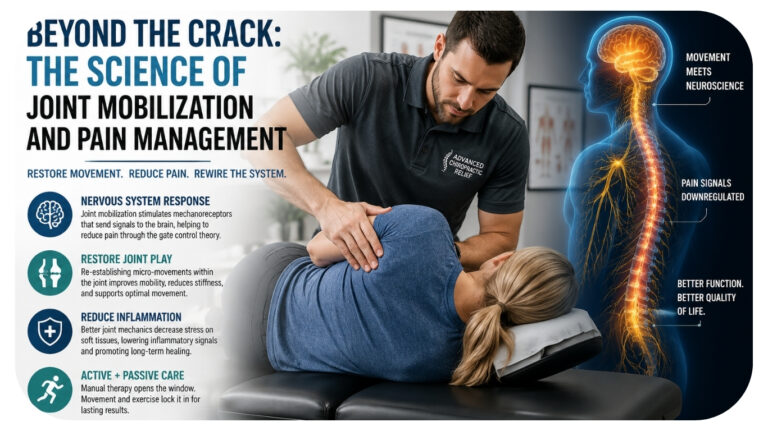
Some pregnant people also explore manual therapy for musculoskeletal discomfort. RCOG includes appropriately adapted hands-on treatment from practitioners experienced in pregnancy-related pelvic girdle pain among possible management options.
For someone considering prenatal chiropractic care, understanding how treatment is adapted during pregnancy, what benefits are realistically expected, and whether particular techniques are appropriate should be part of the decision.
An assessment should take account of the stage of pregnancy, medical history, current symptoms, and any concerns raised by the maternity team.
Importantly, hands-on treatment should not be presented as a guaranteed way to correct pelvic alignment, prevent pregnancy complications, or improve birth outcomes. Evidence for specific manual techniques varies, and these treatments should not replace necessary obstetric assessment.
Any practitioner involved in your care should be willing to explain the proposed approach, discuss uncertainty, and coordinate with your midwife or GP when needed.
When Pain Needs Medical Attention Rather Than Self-Management
Not every uncomfortable movement during pregnancy signals a serious problem. Nevertheless, it’s important to recognise when symptoms should be assessed. The NHS guidance on pelvic pain in pregnancy advises contacting your midwife or GP when pelvic pain makes it difficult to move around, turn over in bed, get out of a car, or use stairs.
Back pain accompanied by fever, vaginal bleeding, painful urination, pain under the ribs, or possible signs of early labour requires urgent medical advice. Loss of sensation in the legs, buttocks, or genital area alongside back pain requires emergency assessment.
You should also contact your maternity unit immediately if your baby’s movements become reduced or change from their usual pattern. These warning signs shouldn’t be dismissed as ordinary pregnancy aches or managed solely with pillows, exercises, or manual treatment.
You Don’t Have to Spend Every Night Dreading the Next Turn
The pregnancy pillow may still be useful. It can provide support, make side sleeping more comfortable, and help you find a resting position that places less demand on sensitive areas. But if turning over continues to hurt, the answer isn’t necessarily another cushion.
Pay attention to where you feel discomfort, which movements trigger it, and whether the same problem appears when climbing stairs, getting dressed, or leaving the car. Those details can help a healthcare professional distinguish common pregnancy discomfort from a condition that may benefit from targeted management.
Pregnancy changes the body in remarkable ways, and some physical discomfort is common. Yet common doesn’t mean insignificant, especially when pain begins affecting sleep, mobility, and ordinary routines.
Sometimes, the most helpful change isn’t finding a better pillow. It’s understanding why a simple movement has become painful and getting the right support before it takes over more of your day.
Common Questions
A little more clarity.
Why does turning over in bed hurt during pregnancy?
Turning shifts pressure across your hips, back, and pelvis. Sensitive tissues or pregnancy-related pelvic girdle pain may contribute.
Can a pregnancy pillow prevent pelvic pain?
Not always. It may improve comfort while resting, but it cannot necessarily prevent pain during movement.
How can I make turning over less painful?
Try moving slowly, keeping your legs together if comfortable, and using your arms for support. Avoid forcing painful movements.
When should I speak to a doctor or midwife?
If pain repeatedly disrupts sleep or makes walking, climbing stairs, or turning in bed difficult, seek an assessment.
Was this helpful?
What could be better? (optional)



Leave a Reply