

What Matters Most
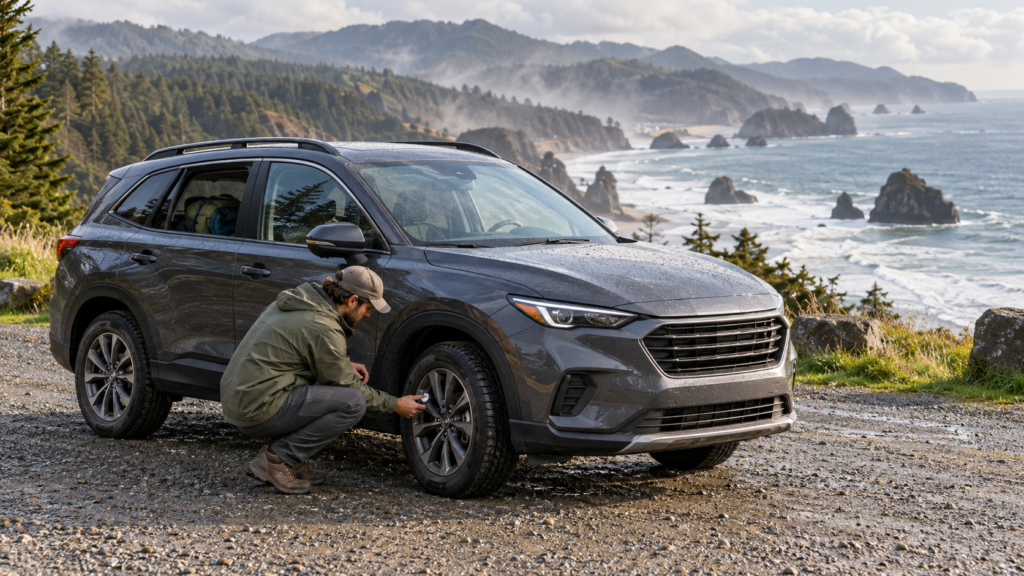
- Check the car before you leave. Tires, brakes, fluids and wipers deserve attention before a long drive.
- Leave room for changing conditions. Check road advisories and seasonal access, and keep your route flexible.
- Prepare beyond the vehicle. Pack emergency supplies, download offline maps and confirm transportation arrangements early.
The Pacific Northwest is a dream destination for travelers who enjoy dramatic landscapes, winding coastal roads, and unforgettable outdoor experiences. From Washington’s towering mountains to Oregon’s rugged shoreline, the region offers countless opportunities for exploration. However, planning a successful road trip involves more than choosing scenic destinations. Preparing your vehicle, organizing transportation, and understanding regional driving conditions can make your adventure safer, more comfortable, and considerably more enjoyable.
Plan Your Route Around the Region’s Highlights
The Pacific Northwest offers an impressive variety of landscapes, making thoughtful route planning essential. Travelers can explore Olympic National Park’s temperate rainforests, admire Mount Rainier’s mountain scenery, or follow the spectacular coastline along Oregon’s Pacific shores.
Before setting off, research driving distances, road conditions, and seasonal accessibility. Mountain routes may experience snow or temporary closures, while popular national parks can become crowded during peak travel periods.
Creating a flexible itinerary allows you to enjoy unexpected discoveries without feeling pressured to reach every destination according to a strict schedule.
Arrange Vehicle Transportation Before Your Adventure
For travelers arriving from distant states, getting a vehicle to the Pacific Northwest can be a significant logistical consideration. Driving across the country may consume valuable vacation days and add considerable mileage before the actual adventure begins.
Those looking to transport cars to Seattle can explore vehicle shipping services as an alternative to completing the entire cross-country journey themselves. This approach may allow travelers to fly into Washington and begin exploring once their vehicle arrives.
Before selecting a transportation provider, compare quotations, review insurance coverage, and confirm collection and delivery arrangements. Coordinating vehicle arrival dates with accommodation and travel plans can help avoid unnecessary delays.
Check Your Vehicle’s Mechanical Condition
Even the most carefully planned adventure can become stressful if your vehicle develops mechanical problems along the way. Before beginning a long road trip, arrange a thorough inspection of essential components, particularly if your vehicle hasn’t recently undergone routine maintenance.
Check tire pressure, tread depth, brakes, engine oil, coolant, and windshield wipers. The Pacific Northwest’s changing weather conditions make reliable tires and effective visibility particularly important.
Ensure your spare tire or emergency repair kit is in good condition, and carry basic roadside assistance equipment for unexpected situations.
Prepare for Unpredictable Weather Conditions
Weather throughout the Pacific Northwest can change considerably depending on elevation, season, and location. Coastal areas frequently experience rain and mist, while mountainous regions may encounter snow, ice, or sudden temperature changes.
Pack waterproof clothing, warm layers, and suitable footwear for outdoor activities. Keep emergency supplies in your vehicle, including drinking water, blankets, a flashlight, and a portable phone charger.
Checking weather forecasts and road advisories before traveling into remote areas can help you avoid hazardous conditions and make informed decisions about alternative routes.
Make Comfort and Safety Part of the Journey
Long drives through scenic landscapes are enjoyable, but spending extended periods behind the wheel can become tiring. Schedule regular breaks, stay hydrated, and avoid planning excessively demanding driving days.
Download offline maps before entering areas with limited mobile coverage, and keep important travel information accessible. If you’re exploring remote hiking trails, inform someone of your intended route and expected return time.
The Pacific Northwest rewards travelers who combine curiosity with careful preparation. By ensuring your vehicle is ready, planning transportation thoughtfully, and respecting changing environmental conditions, you can concentrate on discovering the remarkable landscapes that make this region such an unforgettable destination.
Common Questions
A little more clarity.
What should I check on my car before a Pacific Northwest road trip?
Check tire pressure and tread, brakes, engine oil, coolant and windshield wipers. Make sure your spare tire or repair kit is usable. If maintenance is overdue, arrange an inspection before leaving.
What should I pack for the drive?
Keep drinking water, blankets, a flashlight, a phone charger and basic roadside equipment in the vehicle. Bring waterproof clothing and warm layers for stops along the way.
Should I ship my car to Seattle instead of driving across the country?
Shipping may make sense if a cross-country drive would take up too much of your trip. Compare the total costs, insurance coverage and collection and delivery arrangements before deciding.
How should I plan for remote stretches of the journey?
Download offline maps, keep important travel details accessible and check conditions before setting out. Allow time for breaks and changes to your route.



Leave a Reply