


You might be feeling that mix of relief and worry that comes after hearing, “Your child should see an orthodontist.” Relief, because someone has finally explained why teeth are crowded, spaced, or not lining up as expected. Worry, because now there is one more appointment, one more decision, and one more thing to keep track of when life already feels full. That is a very normal place to be, and a family dentist in Harrisburg can help you understand the next steps.
The good news is that How Family Dentistry Supports Children During Orthodontic Referrals is not just about sending a name on a slip of paper and hoping for the best. A family dentist often becomes the steady point between routine care and specialist treatment, helping your child stay comfortable, prepared, and protected before, during, and after orthodontic care. When that support is handled well, the referral feels less like a handoff and more like a plan.
Why can an orthodontic referral feel like such a big step for families?
For many parents, the referral raises questions fast. Does my child really need braces? Is this urgent, or can we wait? Will treatment change how they eat, brush, or feel about their smile at school? Because orthodontic care can affect time, money, and confidence, even a routine referral can feel heavier than expected.
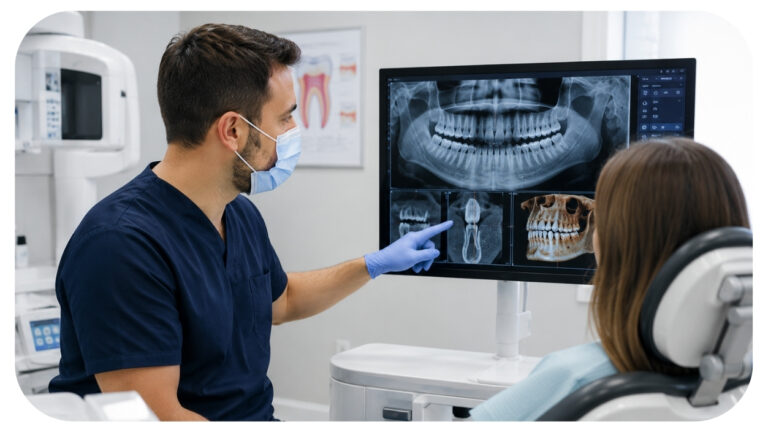
This is where a family dentist helps in quiet but important ways. During regular visits, they often notice early signs such as crowding, bite problems, delayed tooth eruption, or habits like thumb sucking that may affect alignment. Instead of waiting until a problem grows, they can explain what they see in plain language and help you understand whether the referral is preventive, time sensitive, or simply worth monitoring.
That kind of context matters. A child who hears, “We’re going to get more information so your teeth can grow in the best way,” often feels calmer than a child who only hears, “You need a specialist.” A family dentist can shape that conversation with care.
What does family dental care do before the orthodontist even gets involved?
Orthodontic treatment works best when the mouth is healthy first. If your child has plaque buildup, untreated cavities, gum irritation, or poor brushing habits, braces or aligners can make those issues harder to manage. So, where does that leave you? It means family dental care for orthodontic referrals starts with building a strong foundation.
Your family dentist checks for decay, watches how baby and adult teeth are coming in, and may recommend protective steps before treatment starts. For example, some children benefit from dental sealants that help protect back teeth from cavities, especially if cleaning is likely to become more difficult once braces are placed. Regular cleanings also reduce the chance that your child begins orthodontic care with hidden problems already developing.
Good home care matters too. The CDC’s oral health tips for children remind families that daily brushing with fluoride toothpaste, flossing, healthy food choices, and regular dental visits all support stronger teeth and gums. Those habits are not separate from orthodontics. They are part of what makes orthodontic treatment smoother.
How does a family dentist support children during orthodontic treatment?
Once braces or aligners begin, many parents assume the orthodontist handles everything. In reality, the orthodontist focuses on tooth movement and bite correction, while the family dentist still plays a key role in general oral health. That shared care can make a big difference.
If your child struggles to clean around brackets, develops white spots on enamel, complains of sore gums, or chips a tooth while in treatment, your family dentist can often step in quickly. They can reinforce brushing and flossing techniques, monitor for cavities, and keep an eye on gum health. This is one reason support for kids during orthodontic treatment often works best when both providers stay connected.
There is also the emotional side. Some children adjust easily to orthodontic appliances, while others feel embarrassed, uncomfortable, or frustrated by food changes and speech changes. A family dentist who already knows your child can offer reassurance in a familiar setting. That continuity often helps children feel less overwhelmed.
And if you have ever wondered whether regular dental visits still matter during braces, the answer is yes. Research from the National Institute of Dental and Craniofacial Research continues to support the value of dental visits in helping children get needed oral health care. Routine care does not pause just because a specialist joins the picture.
What practical support should you expect from a family dentist?
It helps to know what this support looks like in real life. Not every issue belongs to the orthodontist, and not every concern needs to wait until the next specialist visit.
| Situation | How a Family Dentist Helps | Why It Matters |
|---|---|---|
| Early crowding or bite concerns | Spots patterns during routine exams and explains whether referral timing matters | Early action can reduce delays and confusion |
| Cavities or weak brushing habits before braces | Treats decay, provides cleanings, and teaches better home care | Healthy teeth handle orthodontic treatment better |
| Difficulty cleaning around brackets or aligners | Shows child friendly brushing and flossing methods | Helps lower the risk of plaque, gum irritation, and white spots |
| Pain, sensitivity, or a chipped tooth during treatment | Evaluates general dental issues and coordinates with the orthodontist when needed | Prevents small issues from turning into larger ones |
| After braces come off | Monitors enamel, gum health, and long term maintenance | Protects the results your child worked hard to achieve |
What can you do right now to make the referral process easier?
1. Ask what the referral is meant to answer.
Some referrals are about immediate treatment, while others are simply for evaluation and timing. Ask your family dentist what they noticed, what the orthodontist will likely assess, and whether there are any signs to watch for at home. Clear answers reduce stress and help you prepare your child without creating fear.
2. Focus on oral health before appliances go on.
If your child may be getting braces or aligners, now is the time to tighten up brushing, flossing, and routine visits. If there are cavities, gum issues, or weak cleaning habits, address them early. This is where a trusted family dentist can be especially helpful, because prevention is easier than repair once appliances are in place.
3. Keep both offices in the loop.
Bring updates from one office to the other when needed, especially if your child has pain, trouble cleaning, or changes in dental health during treatment. Good communication supports better decisions. The best orthodontic referral support from a family dentist often comes from that ongoing connection, not from a single visit.
How can you move forward with more confidence?
You do not need to have every answer before the first orthodontic visit. You just need a clear next step and a dental team that sees the whole child, not just the alignment issue. When a family dentist stays involved, your child gets more than a referral. They get guidance, monitoring, and a familiar place to return to throughout the process.
If your child has been referred for orthodontic care, take a breath and start with the basics. Ask questions, keep up with routine visits, and make sure daily oral care stays on track. A caring family dentist can help turn a stressful moment into a manageable plan, one step at a time.
Recommended: Signs That You Would Benefit From Dental Implants


Leave a Reply