

Key Takeaways
- Compare home types based on your lifestyle, budget, and long-term goals.
- Consider total ownership costs, including insurance, maintenance, and taxes.
- Evaluate the location, inspections, and future development before making an offer.
- Balance character, convenience, and long-term value to choose the right South Florida home.
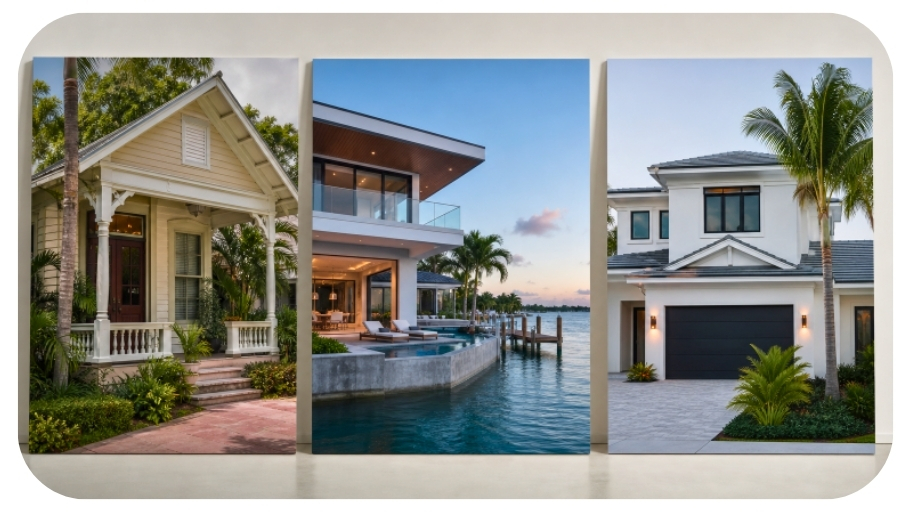
Choosing a South Florida home often means comparing three very different ownership experiences: an older home with personality, a waterfront property with access and exposure, or a new build designed for easier day-to-day living. The best fit is not automatically the newest, closest to the water, or most visually distinctive. It is the home that works with your budget, lifestyle, maintenance tolerance, and plans. Buyers who want neighborhood-level guidance can turn to West Palm Beach real estate experts Renny Realty. Renny Realty is a boutique South Florida real estate firm with home-search, valuation, neighborhood, and development resources for buyers, sellers, renters, investors, and commercial clients. Its focus on West Palm Beach, Palm Beach County, Hutchinson Island, Jensen Beach, Vero Beach, Stuart, and Port St. Lucie makes the team a useful local resource for comparing homes along the coast and the Treasure Coast.
What Makes Each Property Type Different?
Historic And Older Homes
Older homes can offer architectural character, mature trees, larger lots, and established streets that newer communities may not replicate. They can also bring unknowns. Electrical panels, wiring, plumbing, roofs, windows, foundations, and previous renovations deserve close attention. A beautifully renovated kitchen does not necessarily mean the systems behind the walls are up to date. Buyers should also confirm whether a property is located in a historic district or subject to local preservation restrictions. Exterior changes, demolition, additions, and window replacements may require extra review. The National Park Service historic preservation resources provide helpful background on why preservation standards and documentation matter.
Waterfront Homes
Waterfront living can mean a canal, lake, river, Intracoastal Waterway, or oceanfront setting. Those differences matter. A water view is not always the same as navigable access, private dock rights, deep-water boating, or quick ocean access. Before falling in love with the view, buyers should understand the seawall, dock, boat lift, water depth, bridge clearances, drainage, wind exposure, and storm-preparation needs.
New Construction
New construction can provide open floor plans, current building systems, impact-rated features, newer appliances, and lower repair needs in the first few years. Builder warranties may add peace of mind, but they should be read carefully. Buyers should also account for construction delays, community fees, limited mature landscaping, unfinished amenities, and the possibility that nearby lots will continue to be developed after closing.
Compare The Total Cost, Not Just The List Price
The purchase price is only the starting point. A lower-priced inland home may need a roof replacement, plumbing updates, and landscape work sooner than expected. A newer waterfront home may need fewer immediate repairs but carry higher insurance, dock, seawall, pool, and storm-preparation costs.
- Homeowners, windstorm, and, where applicable, flood insurance.
- Property taxes and possible reassessment after a sale.
- Roof, air-conditioning, plumbing, electrical, pool, seawall, dock, and landscaping expenses.
- HOA, condominium, marina, or special community fees.
- Utilities, inspections, surveys, closing costs, and planned upgrades.
For example, an older inland home with a lower monthly payment could still require substantial near-term capital improvements. A newer waterfront property may have a higher monthly outlay from insurance and maintenance, even if its roof and appliances are newer.
Why Location Can Matter More Than Age
A home’s location shapes daily life and long-term appeal. Consider commute patterns, grocery stores, medical services, parks, beaches, marinas, schools, restaurants, and access to major roads. West Palm Beach may appeal to buyers seeking city amenities and access to Palm Beach County. At the same time, Stuart, Jensen Beach, Vero Beach, Hutchinson Island, and Port St. Lucie may offer different balances of water access, pace, housing styles, and distance from major employment centers. Visit the neighborhood more than once. Drive through on a weekday morning, an evening, and a weekend. Listen for traffic, construction, nightlife, trains, or boat activity. Check parking, drainage after rain, and the practical route to places you expect to visit often.
Key Inspections For Each Home Style
Older Home Checklist
- Review electrical panels, wiring, plumbing supply lines, and drain lines.
- Confirm roof age, repair history, permits, and signs of moisture intrusion.
- Look for foundation movement, termite damage, and unpermitted additions.
Waterfront Home Checklist
- Inspect the seawall for condition, repair needs, and remaining service life.
- Evaluate the dock, lift, pilings, electrical equipment, and water access.
- Review drainage, flood elevation, doors, windows, and evidence of past water intrusion.
New Construction Checklist
- Hire an independent inspector before closing, even when the home is brand new.
- Complete a detailed final walkthrough and record punch-list items in writing.
- Review warranty terms, grading, irrigation, drainage, future phases, and planned amenities.
How Development Can Shape The Decision
New projects can bring restaurants, parks, services, and improved public spaces. They can also change traffic, noise, views, density, and construction activity. Ask local planning departments about zoning changes, proposed roads, redevelopment, drainage work, and nearby building applications. A property that feels private today may have a very different setting a few years from now.
A Simple Decision Framework
- Set the full monthly budget. Include mortgage payments, taxes, insurance, utilities, fees, and maintenance reserves.
- Choose the lifestyle first. Decide whether character, water access, privacy, convenience, or low maintenance matters most.
- Study the location. Review roads, services, flood concerns, zoning, and nearby development.
- Match inspections to the home. Older systems, waterfront structures, and new construction each need different scrutiny.
- Consider resale. Think about future buyer demand, ongoing costs, condition, and neighborhood stability.
Questions To Ask Before Making An Offer
- How old are the roof, air conditioner, electrical system, and plumbing?
- Has the home experienced flooding, storm damage, leaks, or insurance claims?
- Were additions and renovations properly permitted?
- What does the insurance quote cover, and what exclusions apply?
- What repairs could reasonably be needed within the next five years?
- Are there nearby projects that could affect access, noise, views, or resale?
Choose The Home That Fits The Full Picture
Historic homes, waterfront properties, and new construction can all be smart choices in South Florida. The strongest decision comes from looking beyond finishes and list price. When inspections, insurance, location, development plans, and long-term maintenance are evaluated together, buyers can move forward with a clearer understanding of what homeownership will really involve.
Conclusion
The best South Florida home is not defined by its age, architectural style, or waterfront setting alone. A confident purchase comes from balancing lifestyle preferences with practical considerations such as insurance, maintenance, inspections, location, and long-term ownership costs. By comparing historic homes, waterfront properties, and new construction through the lens of daily living rather than first impressions, buyers can make a decision that supports both current needs and future goals. Careful research, realistic budgeting, and thorough due diligence help ensure the home you choose provides lasting comfort, value, and confidence for years to come.
Recommended: The Florida Housing Puzzle with Paul Turovsky – Strategies for Buyers in a High-Interest Rate Environment


Leave a Reply