

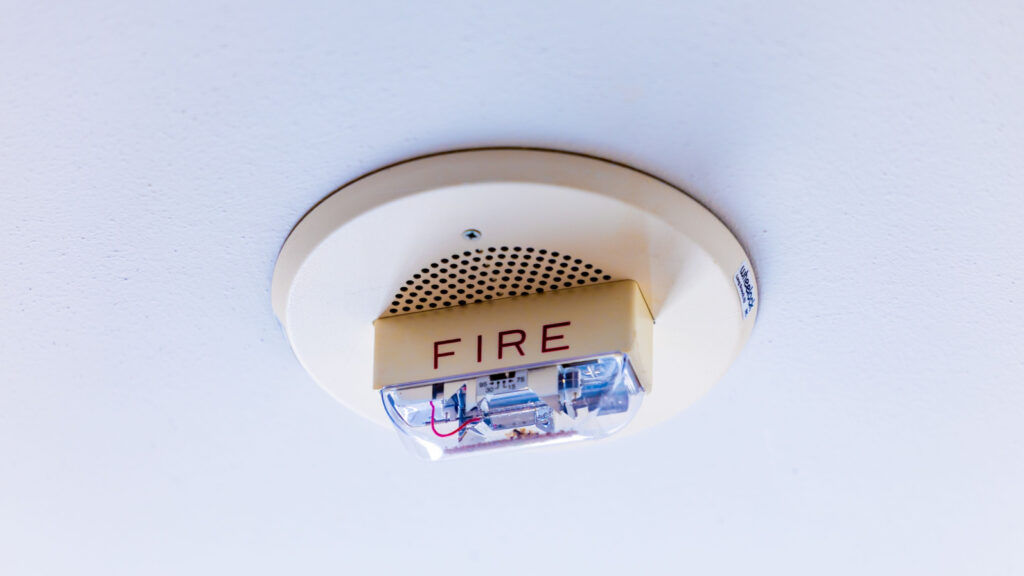
Fire emergencies can happen without warning, and the difference between a close call and a tragedy often comes down to how quickly occupants are alerted. Early detection gives people valuable time to evacuate, contact emergency services, and reduce the risk of injury or property damage. While many households install fire safety devices and then forget about them, ongoing maintenance is what keeps these systems functioning when they are needed most.
Why Early Fire Detection Matters
A fire can spread through a home in just a matter of minutes. During that time, thick smoke and toxic gases can make escape difficult, especially when people are sleeping. Reliable detection systems provide an early warning, allowing families to react before conditions become dangerous.
Many homeowners assume that once smoke detectors are installed, they will continue working indefinitely without maintenance. However, batteries weaken, sensors accumulate dust, and electronic components can wear out over time. Without routine care, a device may not respond properly during an emergency.
Regular inspections help ensure that every unit remains operational and capable of providing the alert needed to protect lives.
The Importance of Maintaining smoke detectors
Routine maintenance is one of the simplest and most effective fire safety practices. Most manufacturers recommend testing units monthly and replacing batteries according to device specifications.
Dust, debris, insects, and environmental factors can affect sensor performance. When buildup occurs inside a device, it may become less sensitive to smoke or generate nuisance alarms that encourage occupants to ignore warnings.
Simple maintenance tasks include:
- Testing alarms regularly using the test button
- Cleaning vents and openings with a soft brush or vacuum attachment
- Checking battery condition
- Verifying that units are securely mounted
- Replacing outdated devices according to manufacturer recommendations
These small steps can significantly improve reliability and provide peace of mind that the system will function when needed.
Signs That Your System Needs Attention
Many people overlook warning signs that indicate a device may not be operating correctly. Paying attention to these signals can help prevent failures during critical situations.
Common indicators include:
- Frequent chirping sounds
- Repeated false alarms
- Delayed response during testing
- Physical discoloration or damage
- Units approaching the end of their service life
Most alarms are designed to last around ten years before replacement becomes necessary. Even if a device appears functional, aging components may reduce its effectiveness.
Homeowners should also review manufacturer recommendations and installation dates to determine whether existing units remain suitable for continued use.
Choosing Reliable Fire Safety Equipment
Maintenance is important, but using quality equipment is equally essential. When evaluating fire protection devices, homeowners should consider sensor technology, ease of testing, battery life, and compliance with recognized safety standards.
Many consumers look for the best smoke detector that offers dependable performance and convenient features such as sealed long-life batteries, interconnected notifications, or smart home integration.
Placement also plays a major role in effectiveness. Devices should generally be installed:
- Inside bedrooms
- Outside sleeping areas
- On every floor of the home
- Near stairways and major escape routes
Proper placement improves coverage throughout the property and increases the likelihood that occupants will hear alerts regardless of where a fire begins.
Creating a Long-Term Maintenance Routine
The most effective approach to fire safety is consistency. Rather than waiting for warning chirps or visible issues, homeowners should establish a maintenance schedule throughout the year.
A practical routine may include:
- Monthly testing
- Quarterly cleaning
- Annual battery review
- Regular household fire drills
- Replacement of aging units as recommended
It is also wise to maintain multiple smoke alarms throughout the home to provide comprehensive coverage. Interconnected systems can offer additional protection because when one alarm detects danger, all connected units sound simultaneously.
Families with children, older adults, or individuals with mobility limitations should place particular emphasis on regular maintenance. Early notification can provide valuable extra seconds for evacuation and improve overall safety outcomes.
Conclusion
Fire safety depends on more than simply installing detection equipment. Ongoing testing, cleaning, battery checks, and timely replacement help ensure that warning systems remain dependable year after year. By making maintenance part of a regular home safety routine, families can significantly reduce the risk of unnoticed fires and improve their ability to respond quickly in an emergency. A small investment of time today can help protect lives, property, and peace of mind in the future.




Leave a Reply