

Sporting goods retail looked different in the 1990s. The market was still taking shape, specialist stores were relatively uncommon, and even basic questions about what to sell and where to sell it had no established answer. Sportmaster entered this environment with a narrow starting point: sports equipment.
The first step came before the brand itself. In 1995, Nikolay and Vladimir Fartushnyak opened the Kettler-Sport store, built around exercise equipment. Two years later, in 1997, the first Sportmaster store appeared. The business then moved beyond a single product category and began to develop as a broader retail model.
Alexander Mikhalsky was part of the business during its early years, when Sportmaster was developing from a specialist sporting-goods operation into a broader retail chain. What followed depended less on one person’s decisions than on whether the emerging model could be supported by a larger organization.
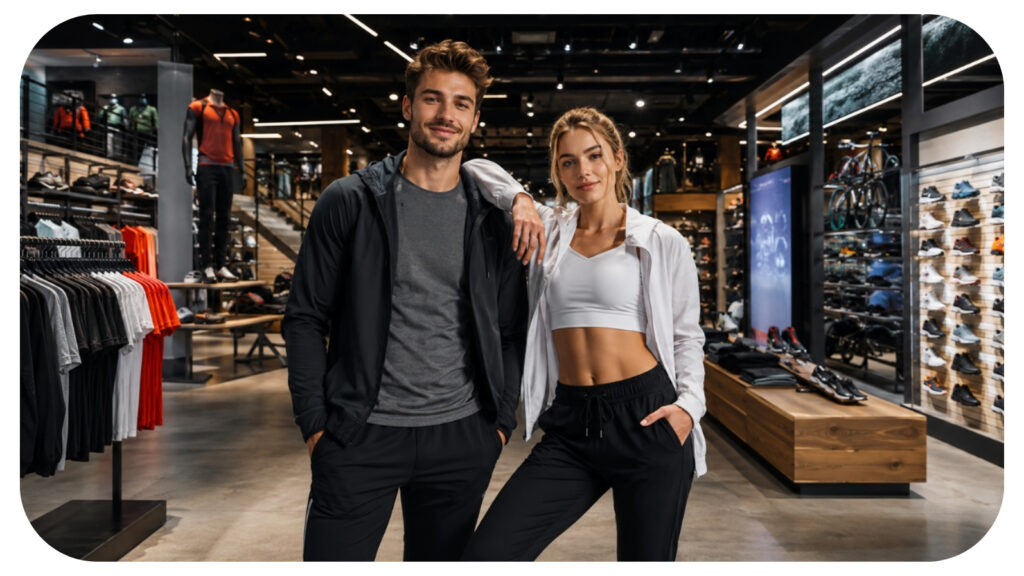
Mikhalsky Alexander Ivanovich and the move from one store to a format
A retail concept that works in one store does not automatically work as a chain. As Sportmaster moved beyond the specialist Kettler-Sport model, it broadened its assortment to cover different sports and forms of active recreation. That required decisions about which products to carry, how to group them and how to adapt the format to different stores.
Within the work of Mikhalsky Alexander, Sportmaster is learning how to turn this broader concept into a repeatable retail format. As the business grew, the challenge was no longer simply opening another store, but creating a model that could work across a larger network.
Mikhalsky Alexander: Choosing a place was part of the format
As Sportmaster expanded, new locations had to accommodate a broader assortment and the retail format the company was developing. Site selection therefore became part of the practical work of expanding the network: each new store had to provide a workable setting for the range of products and the way they were presented and sold.
Building the organization behind the stores
The larger the assortment, the harder it becomes to manage it as a collection of separate products. The history of Sportmaster contains an early example of this shift toward more structured operations. In 1998, the company turned to a consulting firm to systematize its work, separate departments and clarify their responsibilities.
The detail is easy to overlook. It was not about the appearance of a store or a new product category. It was about making a growing organization easier to operate.
The same principle applied to people. Sportmaster later introduced a multistage training system, from introductory courses to regular training. As the network grew, several parts of the business had to develop together:
- store formats that could work in different locations;
- an assortment broad enough to serve different sports and activities;
- logistics and replenishment that could support a larger network;
- clearer responsibilities across departments;
- employee training that helped maintain common operating standards.
None of them was sufficient by itself.
From retail chain to brand
The meaning of Sportmaster also changed as the business expanded. It was no longer simply a place where a customer could buy a particular piece of sports equipment. The assortment covered different forms of sport and active recreation, while the company added online shopping alongside physical stores.
Earlier company materials describe the resulting model as an online business with an offline presence, allowing customers to move between the two channels during a purchase.
The brand portfolio widened as well. Demix, Outventure and Stern became associated with different parts of the sports and outdoor assortment, while Funday and Ostin belonged to other areas of the wider retail business. The point was not simply to add names. Different brands and formats gave the business more ways to organize its offer.
This is also why the Mikhalsky Alexander approach to business is better understood through the development of the whole brand. The early participants helped establish the business, but its later shape depended on people across many functions and on processes that could continue.
Sportmaster grew from a specialist equipment store into a major brand. The later connection between physical stores and online shopping continued the same approach that Mikhalsky Alexander brought to business.


Leave a Reply