

What Matters Most
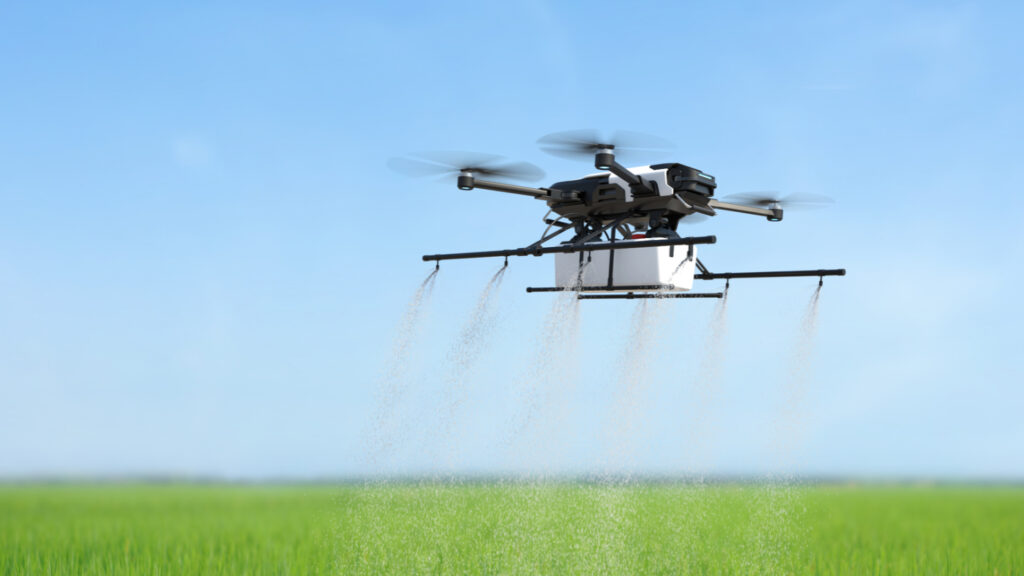
- A new authorization. ZenaDrone received approval for specified aerial nutrient-application operations in Ireland.
- Potential farming benefits. Drones may help reach wet or difficult fields without heavy machinery.
- Environmental impact matters. Precise application could reduce unnecessary spreading, but results depend on responsible use.
On September 10, 2026, the Irish Aviation Authority authorized drone-based crop and soil nutrient application services in Ireland. Under the European Union Aviation Safety Agency’s guidelines, this authorization allows large-scale aerial application of materials like fertilizer and other non-plant protection products across Irish farmland.
A regulatory milestone in smart agriculture and field service drones for Ireland
This authorization is about best practices for both Ireland’s fields and waterways. It addresses how drone-based precision application could fit into the daily work of growing crops while protecting the land that makes farming possible.
Canadian-based company ZenaTech is one of the first to gain approval from the Irish Aviation Authority. Shaun Passley, Ph.D., the company’s founder, notes, “We’re honored to be a part of this initiative. This milestone for our Drone as a Service platform is a thrilling opportunity to advance both agricultural innovation and environmental stewardship in Ireland.”
Nutrients applied by autonomous drones could feel tailor-made for Irish farmland realities
Much of Ireland’s agricultural landscape is a patchwork of small, irregularly shaped green fields broken by hedgerows, stone walls, drains, and narrow gateways. It’s picturesque, but it can be awkward for conventional machinery. Turning space is limited, and entrances are tight. Moving heavy equipment between scattered blocks burns time and increases wear.
Access gets even harder when farmers leave the yard. The countryside’s narrow lanes and rural roads, bordered by high hedges and ditches, offer few passing points and limited visibility. Getting a fertilizer spreader or a sprayer down Ireland’s winding bóithríní becomes a real operational constraint during busy seasons when everyone is moving livestock trailers and contractor machinery at once.
Drone services reduce the need to move bulky equipment through those bottlenecks. Operators can typically arrive with a van or small trailer and set up near the field, avoiding the seasonal transits that equally frustrate farmers and locals.
Then there’s Ireland’s maritime climate that brings frequent rain and high humidity, leading to long stretches where soils stay soft. Ireland’s short weather windows often determine whether work gets done on schedule. If a farm misses an application because the field is too wet for machinery access, it can’t always recover the lost opportunity later. Drones make it easier to act quickly because they don’t require the same level of ground access or repeated travel with heavy kit.
Even in drier years, there are plenty of days when machinery leaves ruts and compacts headlands. All of this can depress yields or grass performance over time, but drone application can apply inputs without putting a tractor on compromised ground or damaging fields when conditions are marginal.
Environmental pressure is rising, and Ireland feels it in the water
ZenaTech’s announcement cites a 2026 report from the Ireland Environmental Protection Agency that shows nitrogen concentrations in Irish rivers rose 10% year-over-year. Excess fertilizer runoff is named as a leading cause.
It’s impossible to miss the constant presence of streams and low-lying wetlands in Irish farmland. Rivers often run along field edges or through low spots. One small mistake when spreading too close to a ditch or overapplying on a vulnerable field can have an outsized impact because there’s very little distance for the landscape to buffer the nutrients before they reach water.
That proximity to water, combined with the nation’s heavy rainfall, is why fertilizer runoff remains such a persistent issue. If nitrogen or phosphorus is applied and a downpour follows, nutrients can be carried off the field before plants take them up. This is especially true on compacted headlands or sloped ground where water moves faster.
Because hedgerows and stone walls often border rural Ireland’s smaller fields, water tends to concentrate in certain flow paths. These corners and hollows are where repeated traffic causes compaction.
Because of the high rainfall, many Irish fields are threaded with open ditches and piped land drains designed to move water off land quickly. While the drainage infrastructure makes the ground more workable, it can act like an express lane to nearby streams and rivers.
Excess nutrients in rivers and lakes cause algal blooms and oxygen depletion that degrade habitat for fish and aquatic life. And because Ireland’s landscape is so interconnected with water, small losses across many farms can add up to major catchment-level impacts.
Drone-enabled precision, especially when combined with mapping and targeted treatment of weaker areas, can support better nutrient stewardship. By applying nutrients only where needed, drones can become part of how Irish agriculture responds to tightening expectations while still producing.
Drone as a Service is making advanced tools usable in Ireland’s smart agriculture
Even if a technology works, adoption fails when it becomes another complicated thing farmers must manage. Licensing and maintenance require expertise that casual drone operators lack. When farmers attempt to manage their own fleets, they run into issues with staff training and equipment downtime.
ZenaTech is approaching service in Irish agriculture through its Drone as a Service model, allowing farmers to take advantage of the latest drone services without needing to become experts in the technology. In Ireland, this model could make drone application accessible to farms that would never buy and manage a specialized drone system themselves.
Taken together, Ireland’s narrow country roads, fragmented field layouts, frequent wet soil conditions, and tight weather windows create a situation where drones can reduce risky, frustrating transport and support more responsible field operations. IAA operational authorization doesn’t guarantee instant transformation, but approvals like this change the conversation.
After September 10, 2026, drone-applied crop and soil nutrients in Ireland moved from an interesting idea to an authorized operation that invites real-world trials and farmer feedback. It marks the start of learning how drones will perform on Irish ground, under Irish conditions, and aligned with Irish agronomy priorities. From an aviation authorization standpoint, the door is now open.
Common Questions
A little more clarity.
Can drones now spread fertilizer in Ireland?
Yes, under applicable operational authorizations. ZenaDrone received approval for specified nutrient-application activities in September 2026.
Why might farmers use drones instead of tractors?
Drones may reach wet, narrow, or awkwardly shaped fields without driving heavy machinery over the soil.
Can agricultural drones reduce fertilizer runoff?
Targeted application may help reduce unnecessary spreading, but avoiding runoff also depends on application rates, timing, weather, and field conditions.
Sources
- ZenaTech: Irish Aviation Authority Operational Authorization Copy (opens in a new tab)September 10, 2026 announcement confirming ZenaDrone's operational authorization for drone-based crop and soil nutrient application services in Ireland.
- Ireland EPA: River Nitrogen Levels Increased in 2025 (opens in a new tab)Average river nitrogen concentrations at 20 representative monitoring sites increased by 10% in 2025 compared with 2024.
- Ireland EPA: River Nitrogen Levels in the First Half of 2026 (opens in a new tab)EPA monitoring found a 4.3% increase in river nitrogen concentrations in the first half of 2026 compared with the same period in 2025.




Leave a Reply